
The Creative Corner Insights & Inspirations
Discover articles on design, technology, lifestyle, and more. Dive deep into topics that spark curiosity and foster growth.
Karnataka's Shrinking Green Cover
An in-depth look at forest cover loss and its drivers in Karnataka between 2020 and 2025.
Karnataka's Forest At a Glance
21.21%
Current Forest Area (Dec 2024)
Of total geographical area, significantly below the 33% national target.
2.88 Mha
Natural Forest Extent (2020)
Representing 15% of the state's land area in 2020.
Recent Forest Loss (2024 Data)
4.95 kha
Natural Forest Lost in 2024
Equivalent to 4950 hectares.
1.60 Mt
CO₂ Emissions from 2024 Loss
Contribution to atmospheric carbon from forest degradation.
113.43 ha
Forest Land Diverted (Apr-Dec 2024)
For non-forestry development projects.
Key Drivers of Forest Loss in Karnataka
Forest loss in Karnataka is driven by a combination of development projects, agricultural expansion, and natural factors like fires.
Forest Land Diverted (April-Dec 2024)
The majority of recent diversions were for critical infrastructure, highlighting the development-conservation dilemma.
Major Contributing Factors to Tree Cover Loss (2002-2024 Trends)
Long-term data indicates that large-scale land-use changes for agriculture and various development projects are primary contributors to forest depletion.
Longer-Term Trends & Challenges
Examining data from a broader timeframe reveals persistent challenges and emerging threats to Karnataka's forests.
Cumulative Tree Cover Loss (2001-2024)
57.4 kha
Over two decades, Karnataka has lost a significant area of its tree cover.
Annual Tree Cover Loss (2020-2024)
While fluctuating, annual tree cover loss has seen a notable increase in 2024 compared to previous years in this period.
Fire Alerts in Karnataka (June 2024 - June 2025)
603 high-confidence VIIRS fire alerts reported, a high number compared to previous years.
Consequences and the Way Forward
The continuous loss of forest cover leads to severe ecological imbalances, including biodiversity loss, soil erosion, and increased human-wildlife conflicts. Urgent and collective action is required.
Strategic Areas for Conservation
⚖️
Balance Development & Conservation
Careful assessment of projects' environmental impact and sustainable alternatives.
🌱
Promote Reforestation & Afforestation
Large-scale tree planting and restoration of degraded lands.
🤝
Community Participation
Empowering local communities in forest management and protection.
🚫
Curb Illegal Activities
Strict enforcement against illegal logging and encroachment.
💧
Sustainable Resource Use
Encouraging practices that reduce pressure on forest resources.
🔬
Monitor & Research
Continuous monitoring and scientific research to inform policies.
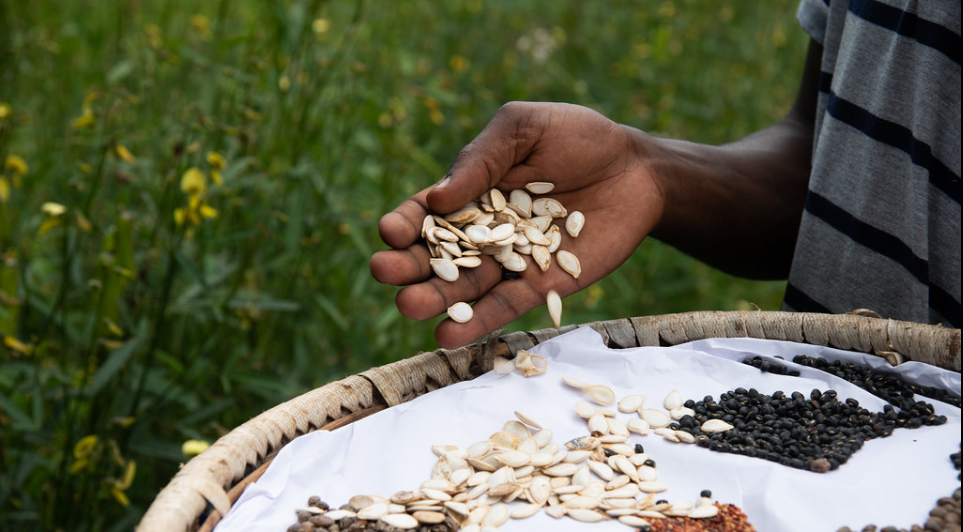
Who Can Patent Nature? The Seeds of Life, Crafted for Our Needs!
Nature is not a human creation. It is the essence of life, the foundation of existence. Yet, humans have dared to claim ownership over seeds—the

Honoring Tulsi Gowda: The ‘Encyclopedia of the Forest’ and Her Monumental Legacy in Ecological Conservation
Who Was Tulsi Gowda? Tulsi Gowda, the celebrated environmentalist known as the “Encyclopedia of the Forest,” passed away today, leaving
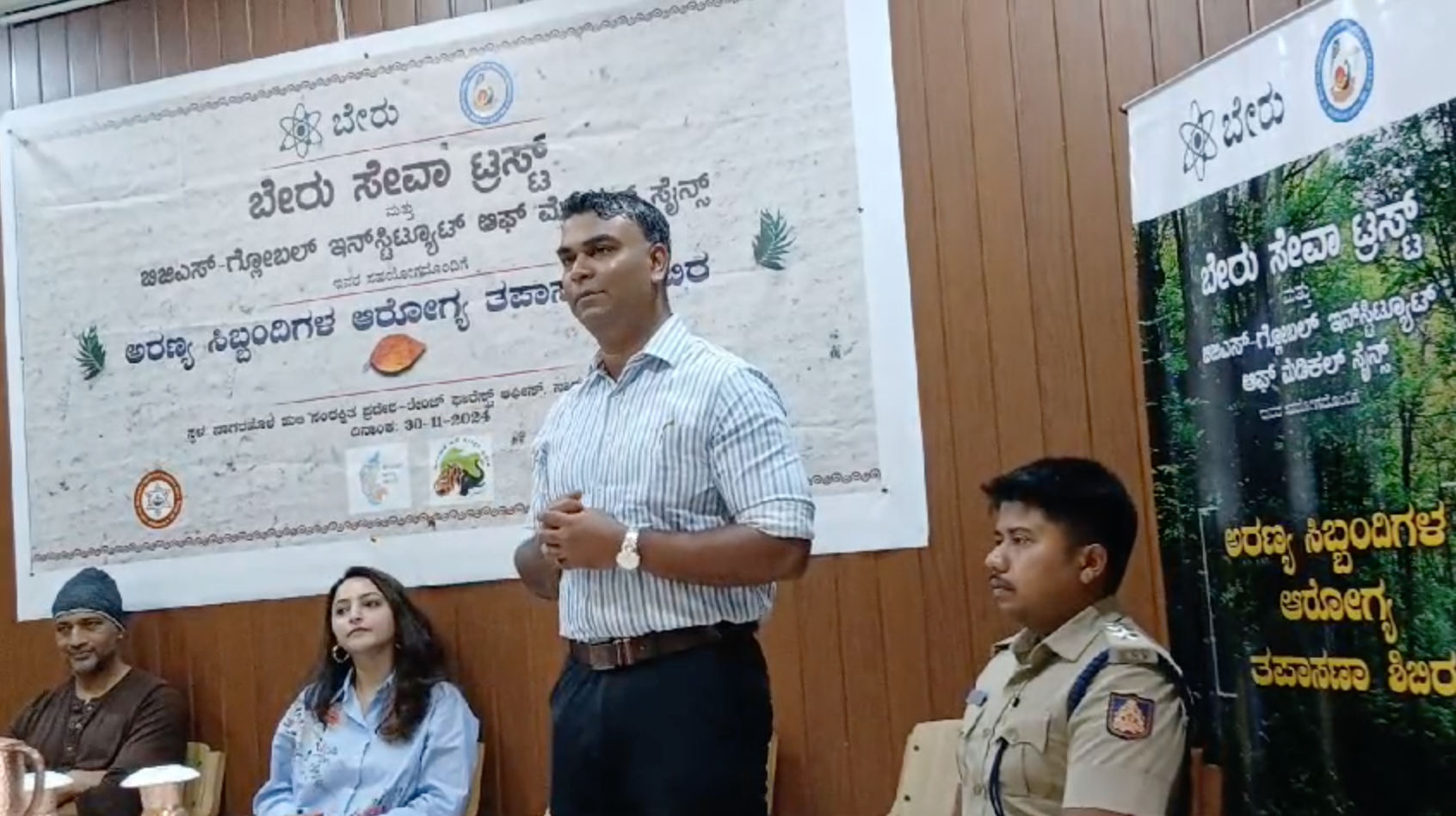
Medical Camp for Forest staff in Nagarahole: A Successful Collaboration for Healthcare and Conservation
On November 30th, 2024, Beru Trust, in partnership with BGS Global Institute of Medical Sciences, Kengeri, hosted a one-day medical camp for forest